


-

Add: HeBei ShengShi HongBang Cellulose Technology CO.,LTD.
-

Email
13180486930@163.com -

CONTACT US
+86 13180486930
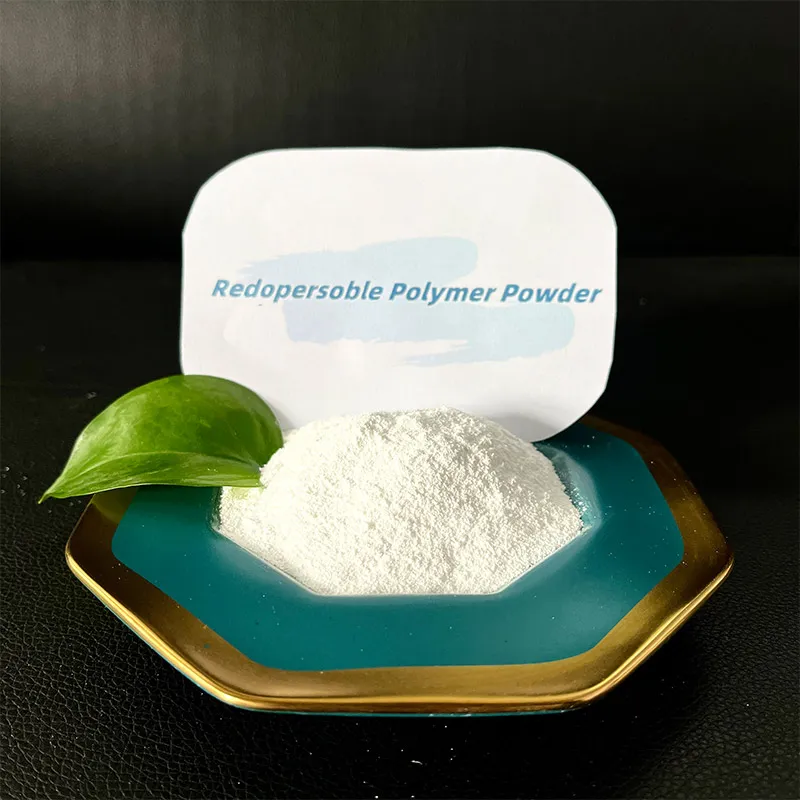
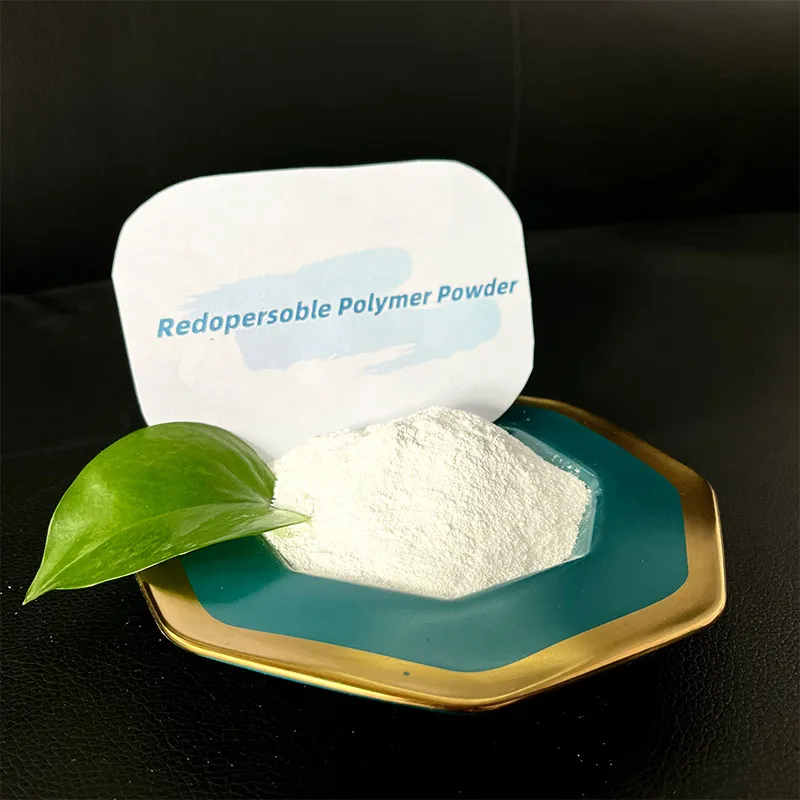


Polimer Un Taği Zamonaviy Texnologiyalar va Qishloq Xo‘jaligida Qo‘llanilishi Polimer un taği, zamonaviy materiallar muhitida muhim o‘rin tutadi. U polimerlarning mikroskopik qismlaridan tashkil topgan bo‘lib, ko‘plab sohalarda qo‘llaniladi, ayniqsa qishloq xo‘jaligida. Ushbu maqolada polimer un tağinin nimadan iboratligi, uning xususiyatlari va afzalliklari haqida so‘z yuritamiz. Polimer un taği, asosan, plastik materiallardan yaratiladi. Un taği sifatida qo‘llanilishidan maqsad, qishloq xo‘jaligida tuproqni yaxshilash, o‘simliklarni himoya qilish va yig‘im-terim jarayonlarini soddalashtirishdir. Bu materiallar nafaqat o‘simliklar uchun ozuqa manbai bo‘lib xizmat qiladi, balki tuproqning fizik va kimyoviy xususiyatlarini ham yaxshilaydi. . Bundan tashqari, polimer un taği tuproqni mahkamlaydi va uning strukturaviy yaxlitligini ta’minlaydi. Bu, o‘simliklarning ildiz tizimining yanada yaxshi rivojlanishiga yordam beradi. Tuproqning tuzilishi yaxshi bera olishi va havo almashinuvi yaxshi bo‘lishi natijasida, o‘simliklar sog‘lom va kuchli bo‘lib o‘sadi. полимер ұнтағы Polimer un taği, shuningdek, tuproqning kimyoviy xususiyatlarini yaxshilashda ham muhim rol o‘ynaydi. U tuproqdagi minerallarni va boshqa oziq moddalarni eng qiyin sharoitlarda ham saqlab qolish imkonini beradi. Natijada, o‘simliklar uchun zarur bo‘lgan ozuqa moddalarining samarali singishi ta’minlanadi. Qishloq xo‘jaligi sohasida polimer un tağini qo‘llash nafaqat o‘simliklarning samarali o‘sishini ta’minlaydi, balki bu jarayonni iqtisodiy jihatdan ham foydali qiladi. O‘simliklar yuqori hosil berishiga olib kelishi, fermerlar uchun moliyaviy jihatdan foydali bo‘ladi. Shuningdek, bu usul qishloq xo‘jaligida resurslarni tejashga yordam beradi, chunki suv va yeyish quvvatlari ancha samarali ishlatiladi. Shuni ta’kidlash kerakki, polimer un tağinin iste'moli va ishlatilishi ekologik jihatdan ham xavfsizdir. Tobora ko‘proq fermerlar va agronomlar bu materialni tanlaydilar, chunki u tuproqning ekotizimini buzmaydi va tabiatga zarar yetkazmaydi. Demak, polimer un taği nafaqat odamlar uchun, balki atrof-muhit uchun ham foydali materialdir. Xulosa qilib aytganda, polimer un taği zamonaviy qishloq xo‘jaligida juda muhim va foydali materialdir. Uning suvni ushlab turish, tuproqni yaxshilash va o‘simliklar hosilini oshirishdagi o‘rni har bir fermer va agronom uchun ahamiyatlidir. Polimer un tağini qo‘llash orqali qishloq xo‘jaligida samaradorlikni oshirish, istiqbolli kelajakni yaratish mumkin.
- 40000tons

Production
- 20+years

Experience
- 5000+㎡

Acreage

-
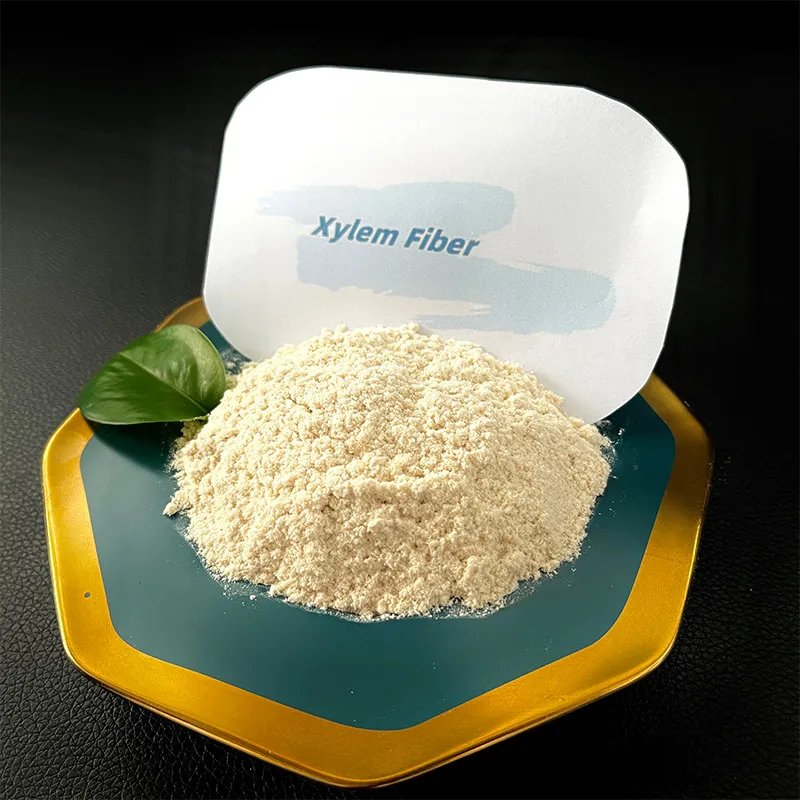
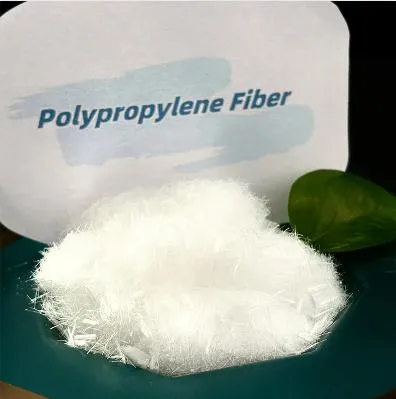
Polypropylene Fibers for Sale An Overview In the world of textiles and materials, polypropylene fibers have gained significant attention due to their unique properties and wide-ranging applications. As industries evolve and demand for specialized materials grows, polypropylene fibers have emerged as a versatile option, appealing to manufacturers and consumers alike. This article will explore the characteristics, benefits, and various applications of polypropylene fibers, highlighting why they are increasingly becoming a preferred choice in many sectors. What are Polypropylene Fibers? Polypropylene fibers are synthetic fibers made from the polymer polypropylene (PP), a type of thermoplastic. This polymer is created through the polymerization process of propylene monomers. Polypropylene fibers are known for their resilience, lightweight nature, and ability to resist moisture. Because they are resistant to degradation by water and many chemicals, polypropylene fibers offer an innovative solution for numerous applications across different industries. Key Characteristics of Polypropylene Fibers 1. Durability One of the standout features of polypropylene fibers is their strength and durability. They can withstand wear and tear, making them suitable for use in heavily trafficked areas or rugged environments. 2. Moisture Resistance Unlike natural fibers, polypropylene does not absorb water. This characteristic makes it ideal for applications that require moisture management, such as outdoor furniture and automotive interiors. 3. Chemical Resistance Polypropylene fibers are resistant to a wide range of chemicals, making them suitable for industrial applications where exposure to corrosive substances is a concern. 4. Lightweight Polypropylene is one of the lightest synthetic fibers available, which can significantly reduce transportation costs and improve the ease of handling the material in various applications. 5. UV Resistance Many polypropylene fibers are treated to be UV resistant, enhancing their longevity when used in outdoor applications. . Applications of Polypropylene Fibers ألياف البولي بروبلين للبيع Polypropylene fibers are used in a wide array of applications, spanning multiple industries. Here are some prominent uses 1. Textiles and Carpets One of the most common applications for polypropylene fibers is in the production of carpets and rugs. Their durability and moisture resistance make them ideal for residential and commercial carpeting. 2. Geotextiles In the construction industry, polypropylene fibers are used in geotextiles to provide soil stabilization, erosion control, and drainage. Their resistance to chemicals and durability make them invaluable in this field. 3. Automotive Interiors The automotive industry employs polypropylene fibers due to their lightweight nature, resistance to moisture, and ease of maintenance. They are commonly used in vehicle upholstery, carpets, and interior panels. 4. Medical Applications Polypropylene fibers are used in various medical textiles, such as surgical sutures and drapes, due to their biocompatibility and resistance to moisture and bacteria. 5. Consumer Products From outdoor furniture to industrial filters, polypropylene fibers are used in a vast range of consumer goods, making them a staple in household and commercial products. Benefits of Investing in Polypropylene Fibers Investing in polypropylene fibers can be advantageous for manufacturers and consumers alike. For manufacturers, the cost-effectiveness and versatile applications of polypropylene allow for innovation and the development of high-quality products that meet consumer demands. For consumers, the durability and low maintenance requirements of polypropylene products generally translate to long-lasting value. Moreover, as environmental concerns grow, many manufacturers are focusing on the recyclability of polypropylene fibers. Efforts are being made to enhance the sustainability of production processes and newer developments are paving the way for eco-friendly polypropylene options. Conclusion As the demand for versatile and durable materials continues to rise, polypropylene fibers stand out as a superior option across various industries. With their unique properties and diverse applications, they are a valuable resource for manufacturers looking to meet market needs effectively. Investors and businesses interested in high-quality materials would do well to consider polypropylene fibers, as they not only offer practicality but also long-term value in an ever-evolving market.
-

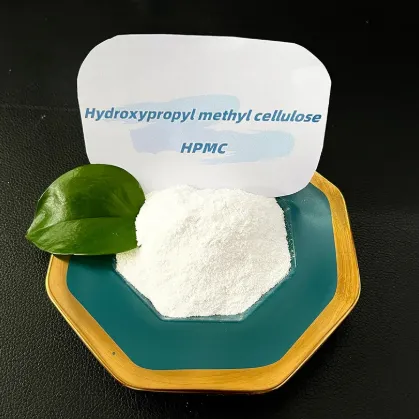
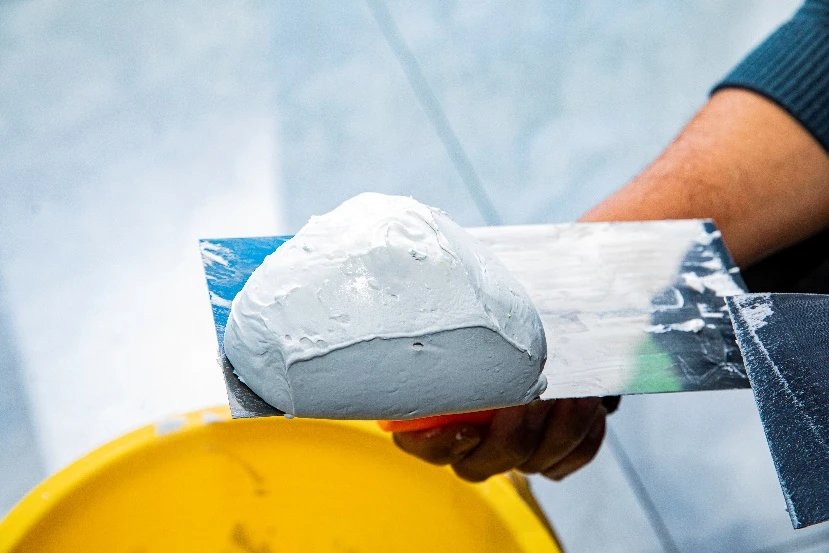
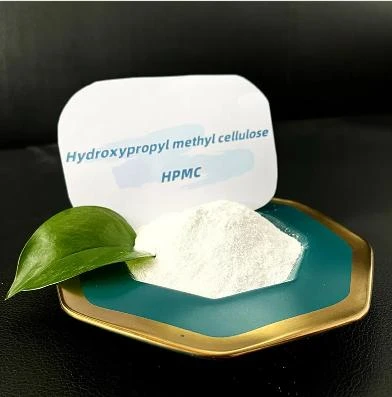
The construction industry is undergoing a revolution with innovative materials that enhance efficiency, sustainability, and durability. One such groundbreaking additive is hydroxypropyl methylcellulose , a versatile ingredient that significantly improves the performance of building materials. Whether you're looking to achieve a smoother finish, optimize drying and curing times, or ensure long-term durability, hydroxypropyl methylcellulose stands out as a must-have component. This article explores its features, impact on construction processes, market trends, and the importance of sourcing it from a reliable supplier. The Unmatched Benefits of Hydroxypropyl Methylcellulose in Building Materials Hydroxypropyl methylcellulose is a highly adaptable compound, used widely in building materials such as wall putty, mortar, tile adhesives, and gypsum-based formulations. Its key advantage lies in its water-retention properties, which are critical for ensuring uniformity and smoothness during application. When added to wall putty, hydroxypropyl methylcellulose enhances workability by improving the mixture's consistency and adhesive strength. This ensures that the wall putty spreads evenly, covering surface cracks and filling imperfections to create a flawless base for painting or wallpapering. The elasticity imparted by hydroxypropyl methylcellulose minimizes cracking and increases the durability of the applied layer, making it the preferred additive for professionals and homeowners alike. In plaster or cement-based applications, the compound acts as a stabilizer, preventing segregation of the mixture’s components. This creates a uniform blend that is easier to apply, reducing waste while ensuring reliable performance in both small and large-scale construction projects. Hydroxypropyl Methylcellulose's Role in Drying and Curing Processes Proper drying and curing are critical to the long-term performance of any building material. By incorporating hydroxypropyl methylcellulose , construction professionals can achieve controlled water evaporation, ensuring thorough curing and a durable final product. In the absence of this compound, construction materials often dry unevenly, leading to cracks, poor adhesion, and reduced structural integrity. Hydroxypropyl methylcellulose regulates the drying process, allowing the material to retain moisture for a longer duration without compromising the setting time. This ensures an optimal balance between initial adhesion and final hardness. Moreover, in wall putty, this additive significantly reduces shrinkage while maintaining a smooth surface. For time-sensitive projects, buy hydroxypropyl methylcellulose to benefit from its ability to enhance curing schedules without sacrificing quality. This makes it particularly valuable for large-scale developments where timelines are critical yet structural integrity cannot be compromised. A Growing Market for Hydroxypropyl Methylcellulose The construction industry is increasingly recognizing the value of hydroxypropyl methylcellulose , and its demand is surging in markets around the world. As environmental sustainability becomes a focal point for modern construction practices, the need for additives like this compound is growing exponentially. The market trend is clear: eco-friendly and high-performance building solutions are in high demand. Hydroxypropyl methylcellulose , derived from renewable resources, is seen as a sustainable choice that aligns with these global objectives. Its ability to reduce material waste and enhance performance ensures it remains at the forefront of the construction sector. Our company takes pride in being a reliable hydroxypropylmethylcellulose supplier committed to meeting the needs of our clients. With unmatched product quality and a strong focus on innovation, we aim to support the industry's transition to more sustainable and efficient practices. Why Partner With a Trusted Hydroxypropylmethylcellulose Supplier? Choosing the right supplier can make all the difference in the success of a construction project. When you buy hydroxypropyl methylcellulose from us, you’re investing in top-grade products designed to meet the most stringent standards. Our advanced manufacturing techniques ensure a consistent product that delivers reliable performance in every application. We cater to diverse client needs, from small-scale builders to large industrial projects, providing technical support and guidance on product usage. Whether you’re developing residential spaces, commercial buildings, or infrastructure projects, our hydroxypropylmethylcellulose supplier services are here to ensure your success. Additionally, by sourcing our materials from environmentally responsible processes, we contribute to your sustainability goals. Our commitment to quality and customer satisfaction has made us the trusted choice for builders and manufacturers around the globe. Hydroxypropyl Methylcellulose: Pioneering the Future of Construction As building practices evolve, materials like hydroxypropyl methylcellulose are becoming indispensable for their ability to optimize performance and sustainability. Its role in improving wall putty formulations, regulating drying and curing, and boosting application efficiency solidifies its importance across various construction domains. With the construction industry poised for growth, now is the time to embrace cutting-edge solutions that deliver measurable results. Choosing to buy hydroxypropyl methylcellulose from a trusted supplier ensures you remain ahead of the competition, leveraging the full potential of this transformative additive. Elevate your building materials with the power of hydroxypropyl methylcellulose —a product designed for excellence in every layer, every mix, and every project. Make your construction stand out by choosing the market's best solutions and experience the advantages that redefine quality in modern building practices.
advantages
-

200000 Viscosities
Excellent product
We can produce pure products up to 200,000 viscosities
-

40000 tons
High yield
We don’t stop production all year round, and the annual output can reach 40,000 tons
-

24 hours
Quality service
We provide 24-hours online reception service, welcome to consult at any time
———— Inquiry Form
Schedule A services
-
 polymethyl_methacrylate_powder
Oct . 25, 2025
In the rapidly evolving world of construction and pharmaceuticals, the rising star of sustainable ma -
 hydroxypropyl_methyl_cellulose_hs_code
Oct . 25, 2025
Starch derivatives are a vital component in a myriad of industries, offering versatility and functio -
 rubber_powder_for_sale
Oct . 25, 2025
Chemical materials have become an integral part of countless industries, enabling innovations and im


